
Unlocking the Potential of the NXP MKL17Z256VMP4 Arm Cortex-M0+ Microcontroller for Ultra-Low-Power Embedded Designs
In the rapidly advancing world of embedded systems, the demand for ultra-low-power microcontrollers continues to grow, driven by applications in IoT, wearables, portable medical devices, and battery-powered sensor nodes. At the forefront of this movement is the NXP MKL17Z256VMP4, a highly integrated MCU built around the efficient Arm Cortex-M0+ core. This powerful combination delivers exceptional energy efficiency without compromising on performance, making it an ideal choice for developers aiming to maximize battery life and functionality in their designs.
Harnessing the Cortex-M0+ Architecture for Maximum Efficiency
The heart of the MKL17Z256VMP4 is the 32-bit Arm Cortex-M0+ processor, renowned for its minimal power consumption and high instruction efficiency. Operating at frequencies up to 48 MHz, this core provides more than enough computational muscle for a vast range of data processing and control tasks. Its key advantage lies in its simplicity; the streamlined architecture executes Thumb/Thumb-2 instructions with remarkable efficiency, ensuring that the MCU spends less time active and more time in low-power sleep modes, drastically reducing the overall energy profile of the application.
Advanced Low-Power Technologies: Beyond the Core
While the processor core is fundamental, the MKL17Z256VMP4's ultra-low-power capabilities are significantly enhanced by NXP's sophisticated power management infrastructure. The MCU features multiple, configurable power modes, allowing developers to fine-tune power consumption based on real-time operational requirements.
Very Low-Power Run and Wait Modes: These modes allow the core to remain operational at reduced frequencies while peripherals are active, enabling continuous data acquisition or communication with minimal current draw.
Stop and Very Low-Leakage Stop Modes: These are the workhorses for battery longevity. In these states, the core is powered down, but SRAM and register contents are retained. Certain peripherals, like the Low-Power Timer (LPTMR) or Real-Time Clock (RTC), can remain active to wake the system upon an external event or a timed interval, consuming merely microamps of current.
Subthreshold Power Gating (STPG): This advanced technology allows certain blocks of the chip to operate in the subthreshold region, reducing leakage current to an absolute minimum during the deepest sleep states.
Integrated Peripherals: Minimizing System BOM and Power
A significant factor in achieving a truly low-power design is the integration of key system components onto a single chip. The MKL17Z256VMP4 excels here, packing a rich set of peripherals that eliminate the need for external ICs, thereby reducing both the bill of materials (BOM) cost and the aggregate system power consumption.
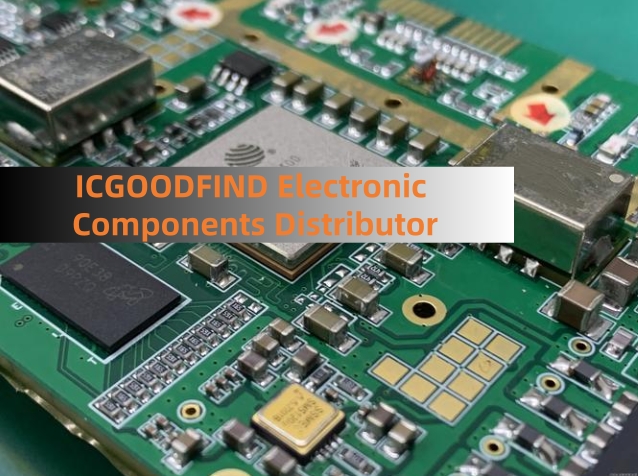
Key integrated peripherals include:
Memory: 256 KB of flash memory and 32 KB of SRAM provide ample space for complex application code and data handling.
Analog: A 16-channel 12-bit ADC (SAR) enables precise sensor measurement, while analog comparators offer quick, low-power signal monitoring for wake-up events.
Communication: Multiple serial interfaces (SPI, I2C, UART) facilitate easy connection to sensors, radios, and other system components. A USB 2.0 Full-Speed OTG controller is a standout feature for devices requiring PC connectivity or acting as a USB host.
Timers: A full suite of timers, including the low-power timer (LPTMR) and RTC, is crucial for scheduling tasks and waking from sleep modes.
Designing for Ultra-Low-Power: Practical Strategies
Unlocking the full potential of this microcontroller requires a strategic approach to firmware development. Key strategies include:
1. Maximizing Sleep Time: The primary rule of low-power design is to put the MCU to sleep as often and for as long as possible. Firmware should be architected around short, efficient bursts of processing activity followed by a return to a low-power state.
2. Intelligent Peripheral Management: Peripherals should be enabled only when absolutely needed and shut down immediately after use. Leveraging DMA can allow data to be moved between peripherals and memory without CPU intervention, freeing the core to enter a sleep state sooner.
3. Leveraging Wake-Up Interrupt Controllers (WIC): The Cortex-M0+ core, in conjunction with the MCU's internal wake-up sources, allows the system to be roused from deep sleep by an external pin, a timer event, or other internal triggers, enabling completely autonomous and low-power operation.
ICGOODFIND: The NXP MKL17Z256VMP4, built on the robust and efficient Arm Cortex-M0+ platform, is a premier solution for engineers tackling the challenges of ultra-low-power design. Its blend of processing capability, advanced power management, and high integration empowers the creation of innovative, power-sensitive products that can operate for years on a single battery. By thoughtfully leveraging its multiple low-power modes and integrated feature set, developers can fully unlock its potential to build the next generation of smart, connected, and energy-efficient devices.
Keywords: Ultra-Low-Power, Cortex-M0+, Power Management, Integrated Peripherals, Energy Efficiency.

