
Intel PMBP11: A Deep Dive into its Architecture and Application in Modern Embedded Systems
The relentless drive towards a more interconnected and intelligent world places immense demands on the embedded systems at its core. These systems require processors that deliver a potent combination of performance, power efficiency, and integrated functionality. The Intel PMBP11 microcontroller emerges as a sophisticated solution engineered specifically to meet these complex challenges, representing a significant evolution in embedded computing architecture.
Architectural Prowess: The Core of PMBP11
At the heart of the Intel PMBP11 lies a modern computational architecture, likely based on an advanced Intel processor core such as the Intel Quark SE or a derivative of the Intel Atom family. This core is optimized for low-power operation without sacrificing the processing muscle needed for data-intensive tasks. The architecture is further enhanced by a rich set of integrated peripherals, a hallmark of modern System-on-Chip (SoC) design.
Key architectural components include:
High-Efficiency Processor Core: The core executes complex control algorithms and manages multiple tasks seamlessly, providing the computational foundation for the entire system.
Integrated Memory Subsystem: Featuring on-chip SRAM and a controller for external Flash memory, this subsystem ensures rapid access to data and instructions, critical for real-time performance.
Comprehensive I/O and Connectivity: The PMBP11 is designed with a vast array of integrated interfaces, including GPIO, I2C, SPI, and UART. Crucially, it often includes native support for industrial and IoT communication protocols like CAN bus (Controller Area Network) and TSN (Time-Sensitive Networking), enabling robust and deterministic communication in networked environments.
Advanced Security Features: Recognizing the vulnerability of edge devices, the architecture incorporates hardware-based security features such as secure boot, cryptographic acceleration, and tamper detection, creating a root of trust.
This integrated approach minimizes the need for external components, reducing the overall system's bill of materials (BOM), physical footprint, and power consumption.
Application in Modern Embedded Systems
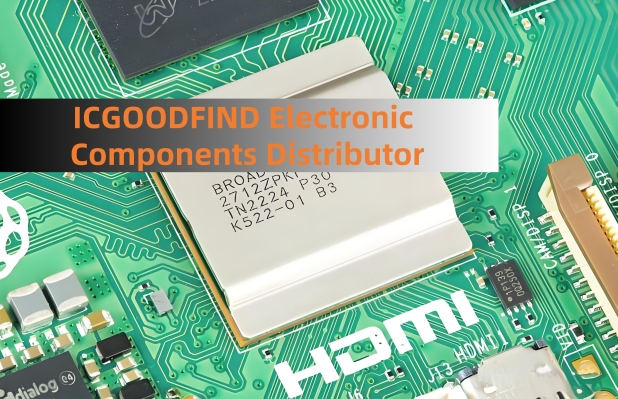
The architectural features of the PMBP11 make it exceptionally well-suited for a broad spectrum of demanding embedded applications, particularly at the edge.
1. Industrial Automation and Control: In this domain, reliability and real-time communication are paramount. The PMBP11 excels as a programmable logic controller (PLC), sensor hub, or motor controller. Its support for CAN bus and TSN allows it to function as a node in a deterministic network, ensuring precise timing and coordination for machinery and robotic systems.
2. Internet of Things (IoT) Gateways: IoT gateways act as the critical bridge between field devices and the cloud. The PMBP11's processing power allows it to aggregate, preprocess, and filter data from numerous sensors locally. Its connectivity options enable it to collect data via various protocols and then backhaul it to the cloud using Ethernet or cellular modems, optimizing bandwidth and latency.
3. Automotive and Transportation: Beyond the engine control unit (ECU), modern vehicles contain dozens of microcontrollers for body control, infotainment hubs, and advanced driver-assistance systems (ADAS) sensors. The PMBP11’s combination of performance, CAN bus support, and robust security makes it a strong candidate for these in-vehicle applications.
4. Smart City Infrastructure: Applications like smart grid systems, intelligent traffic management, and environmental monitoring require rugged, reliable, and connected embedded controllers. The PMBP11 can manage these distributed assets, processing data on-site and communicating status and alerts to a central management system.
The Intel PMBP11 stands as a testament to the evolution of the microcontroller from a simple controller to a powerful, integrated, and connected SoC. Its balanced architecture, which marries capable processing with extensive I/O and critical industrial networking features like CAN bus, positions it as a pivotal enabler for the next generation of intelligent, efficient, and secure embedded systems across industrial, automotive, and IoT landscapes.
Keywords:
1. Microcontroller Architecture
2. Embedded Systems
3. CAN Bus
4. Industrial Automation
5. IoT Gateway

